
Blog
Refine Search
Wastewater Treatment Plant Gas Detection Solution
- By John Doe
- 02/04/2025
- 0 comments
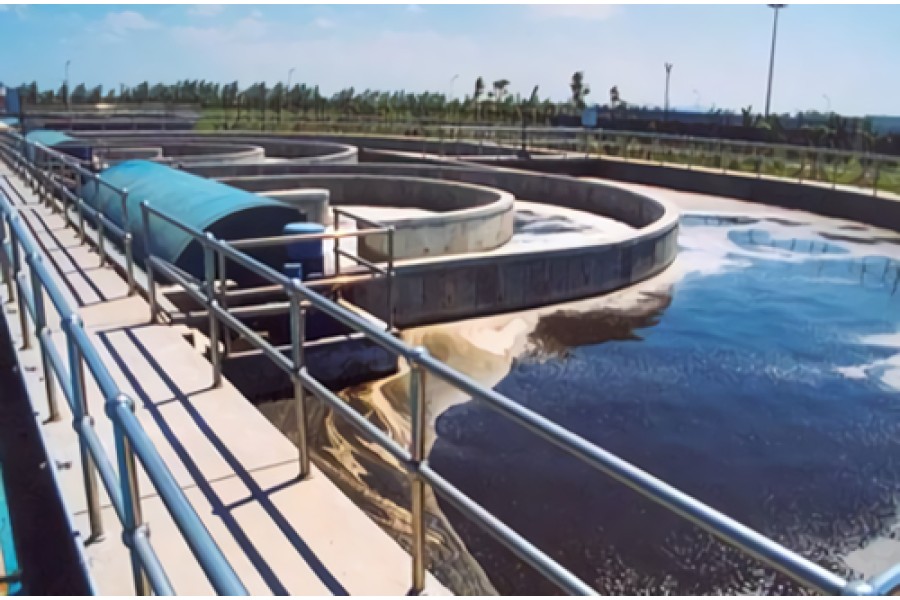
When treating urban domestic and industrial sewage, wastewater treatment plants will generate some toxic gases, such as hydrogen sulfide (H₂S), ammonia (NH₃), methane (CH₄) and carbon monoxide (CO). Some of the gases (hydrogen sulfide (H₂S), ammonia (NH₃)) have a strong pungent odor and toxicity, which can cause harm to the bodies of on-site operators. Our company customizes different gas detection solutions according to different on-site environments to ensure production safety.
Warehouse Gas Detection Solution
- By John Doe
- 02/04/2025
- 0 comments
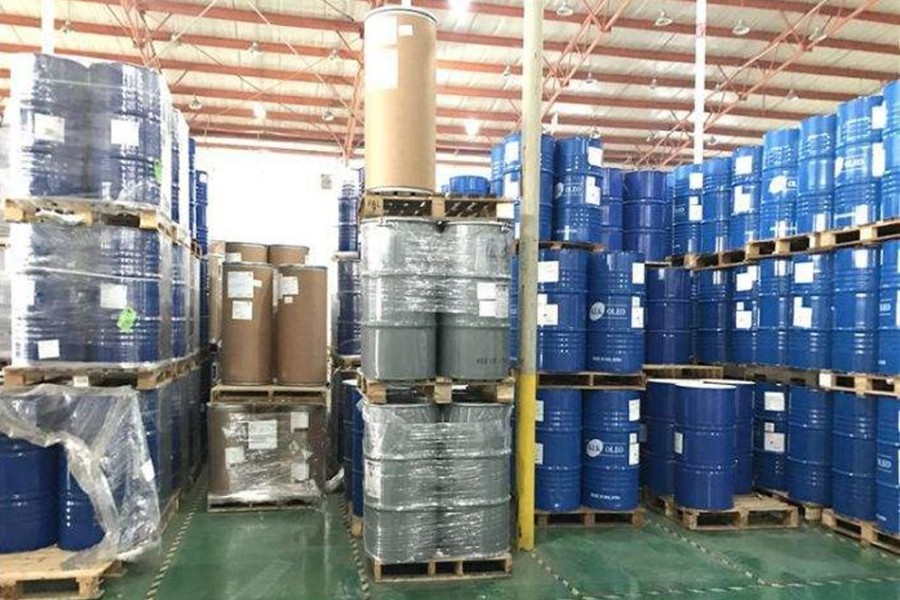
Common granaries and hazardous material warehouses generate some toxic gases, such as phosphine (PH₃), hydrogen sulfide (H₂S), flammable gases, etc. In granaries, phosphine is generally placed for pest control. Phosphine is a colorless, highly toxic, and flammable gas. It is heavier than air and has a smell similar to rotten fish. Hazards to the human body: When the concentration in the air is 2 - 4 mg/m³, its odor can be detected; at a concentration of 9.7 mg/m³ or higher, it can cause poisoning. Contact with 550 - 830 mg/m³ for 0.5 - 1.0 hours can lead to death, and 2798 mg/m³ can cause r..
Oxygen Analyzers in In-Pack Gas Monitoring: Preserving Quality, Safety, and Shelf Life
- By John Doe
- 31/03/2025
- 0 comments
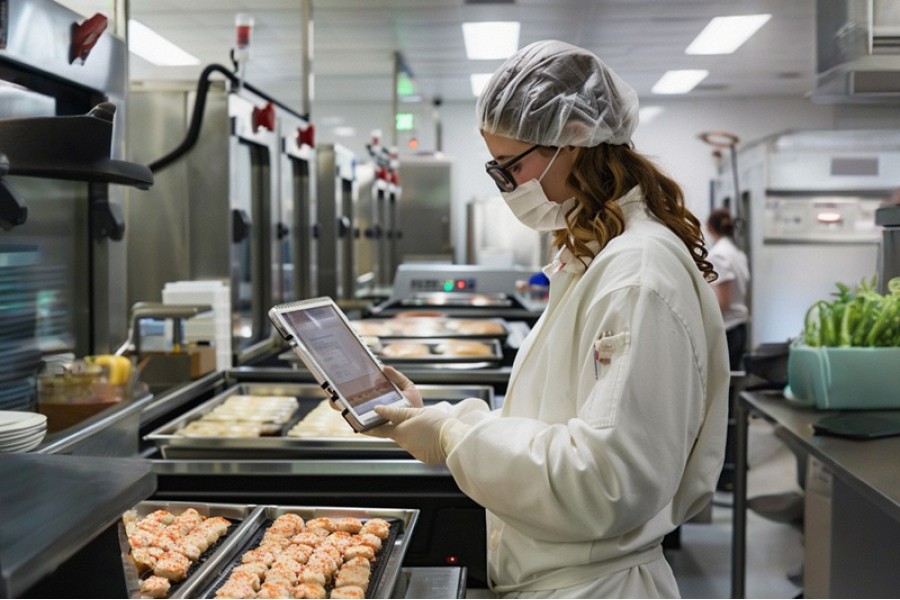
In the competitive world of consumer goods, packaging is not just about aesthetics—it’s a critical barrier against contamination, spoilage, and oxidation. Oxygen, while essential for life, can be a nemesis in sealed environments, accelerating rancidity in snacks, corrosion in metals, or degradation of pharmaceuticals. Oxygen analyzers have emerged as indispensable tools in monitoring and controlling in-pack gas composition, ensuring products remain fresh, safe, and compliant with global standards. Let’s uncover how these technologies are revolutionizing packaging across industries. W..
Oxygen Analyzers in Chemical Reaction Control: Precision, Safety, and Process Optimization
- By John Doe
- 31/03/2025
- 0 comments
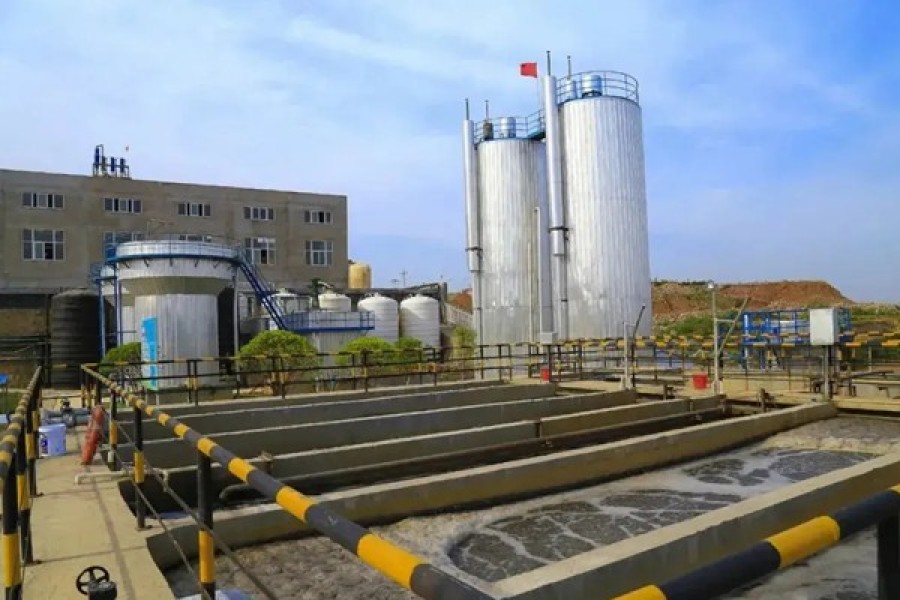
In the chemical manufacturing industry, maintaining precise oxygen levels during reactions is critical for product quality, safety, and sustainability. Oxygen analyzers play a vital role in monitoring and regulating oxygen concentrations in real time, ensuring optimal process conditions while mitigating risks of explosions, unwanted side reactions, or energy waste. Let’s delve into how these instruments drive efficiency and innovation in chemical processing. Why Oxygen Matters in Chemical Reactions Oxygen’s presence or absence directly impacts reaction pathways, reaction rates, and ..
The Role of Oxygen Analyzers in Steelmaking: Enhancing Efficiency and Sustainability

- By John Doe
- 31/03/2025
- 0 comments
In the highly competitive and environmentally conscious steel industry, optimizing every step of the production process is critical. One technology playing a pivotal role in achieving these goals is the oxygen analyzer. By providing real-time insights into oxygen levels during steelmaking, these instruments directly impact product quality, energy efficiency, and carbon footprint reduction. Let’s explore how oxygen analyzers have become indispensable in modern steel production. The Science Behind Steelmaking and Oxygen Control Steel production revolves around precise chemical reactions, par..